


Iot Platform for Smart City Solutions

End to End Iot Solution: From Software to Hardware

services

IoT Development

industry

Smart City / IoT

duration

3 Months

country

Italy

Iot Platform for Smart City Solutions

Project Overview

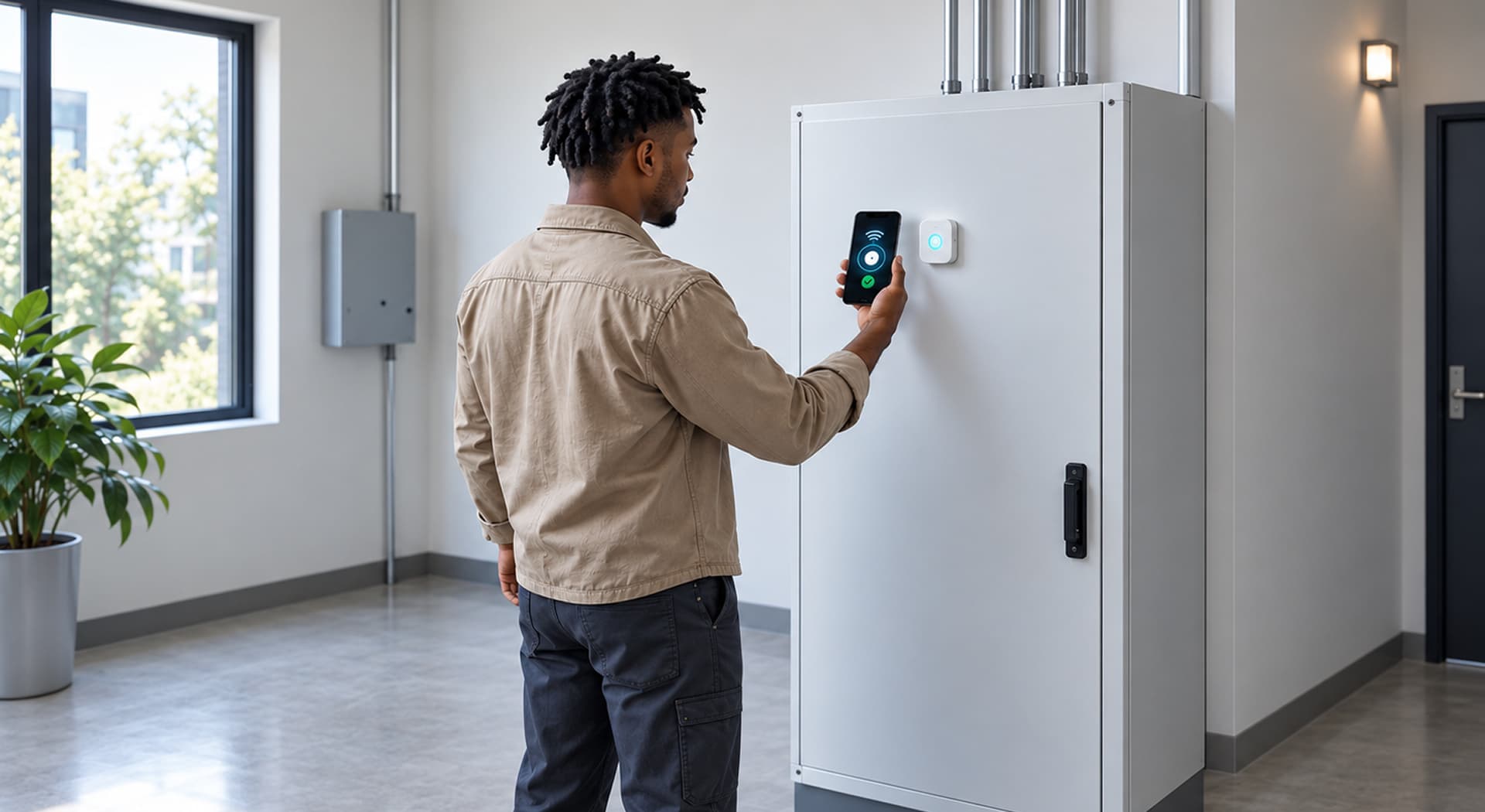
This is a IOT solution,Which offers the development to the integration of IoT hardware and software infrastructures for the design of end-to-end solutions. This solution allows to integrate all the iot devices for every industry such as Home-Automation, Agriculture, water-management etc. This solution allows users to perform all kinds of management tasks and changes and monitor real-time data, signal management and operations of IoT devices based on LoRaWAN network protocols.

Overview image 1Overview image 2Overview image 3

Challenges

Complex Platform Understanding
The platform has numerous features and almost all types of IoT devices are supported by the system.
It presents a challenge for the QA to understand the business logic of the platform.
The QA must become familiar with almost all of the features and modules to write, maintain, and execute manual, API and automation Test Cases.
Learning Automation Tools
The QA must learn various automation tools and technologies such as Cypress, K6, GraphQL and Cucumber in a condensed amount of time.
They need to understand the pre-established BDD Framework for Web and API Automation.
They must start creating and writing end-to-end automation test cases in TypeScript.

Our Solution

QA Testing Execution
The QA engineers accomplished the project features in the specified time period along with learning the best technology for web and API Automation Testing.
Our experienced team of analysts efficiently tested the case for web, mobile, and API testing manually.
They managed to test new and existing features and updated every result in Qmetry tool.
Automation Test Coverage
We used Cypress and K6 tool in writing the automation test case for web and API.
The rejected testcase and features were reported in Jira for tracking.
End-to-end automation test cases were written in TypeScript using the BDD Framework.
Regression Testing
We provided our client with pre and post regression testing.
New functionalities were tested by QA Engineers in separate setups in the Staging server.
The developers released new builds for the production environment after thorough testing.
Quality Improvement Process
By following these practices the testing process was quick and the quality of each new version was improved.
New functionalities were tested in separate staging setups before production release.
The testing workflow ensured consistent quality across all platform modules.

Features Implemented

The IoT platform includes key modules for managing devices, automation, and system settings across smart city deployments.

1. Dashboard

The dashboard is the interface that appears when logging in to the Platform. In addition to other information that may be seen at a glance, such as device information, history, etc., it is intended to provide an overview of the groups and devices that are available on the platform. The user can access information and get a quick overview of the system by using the dashboard.

Dashboard

2. Device

The user can add, view and manage the device and its details in this section according to the groups to which they have access. This module allows the user to monitor a device's status, and the option to examine them individually or in groups depends on device management. There are other additional activities available, such as seeing the device positions with the option of changing them.

Device

3. Automation

The user can examine the commands and triggers in this area. The specific features known as triggers give the user the ability to design event-based activities. They are a part of the platform's advanced licensing. The usage of triggers enables the creation of event-based actions. By automating certain events, customers receive a useful tool to smartly manage the devices. Triggers: Users can create, preview, search, activate, deactivate, edit, and delete triggers using the trigger dashboard. Command: Users can create commands, preview them, search for them, activate and deactivate them, amend them, and delete them using the command dashboard.

Automation

4. Settings

This section allows users to create, edit, update and delete Users, Roles, groups, organisations and Relationships.

Settings

Tools and Technology

The project used a combination of automation testing tools, programming languages, version control, and manual testing tools.

Automation Testing

Cypress, K6, Cucumber

Technology

TypeScript, JavaScript

Version Control

Bitbucket

Manual Testing

Jira, Qmetry, Insomnia, Postman

Conclusion

WebMob Technologies delivered a comprehensive QA solution for an IoT platform serving smart city deployments across multiple industries. The team successfully adopted automation tools like Cypress and K6 while maintaining thorough manual testing practices, resulting in faster testing cycles and improved quality for each platform release.

Ready to Build Your IoT Platform?

Let us help you design and deliver a production-grade IoT solution tailored to your industry needs.

More Projects

Case study image

Hindeep

Dating app matching users based on personality traits and compatibility.

Case study image

Photowise

Photographer booking platform for managing services, clients, and bookings.

Case study image

Photowise Photographer

Photographer booking platform for managing services, clients, and bookings.

Case study image

La Savista

Smart accessibility app enabling guided navigation and location-based information.

Case study image

Nurse Daisy

Virtual healthcare platform simplifying disease diagnosis, symptom tracking, and doctor consultations.